Warul Kawa (Deliverance Island) may be rid of pesky rodents once and for all.
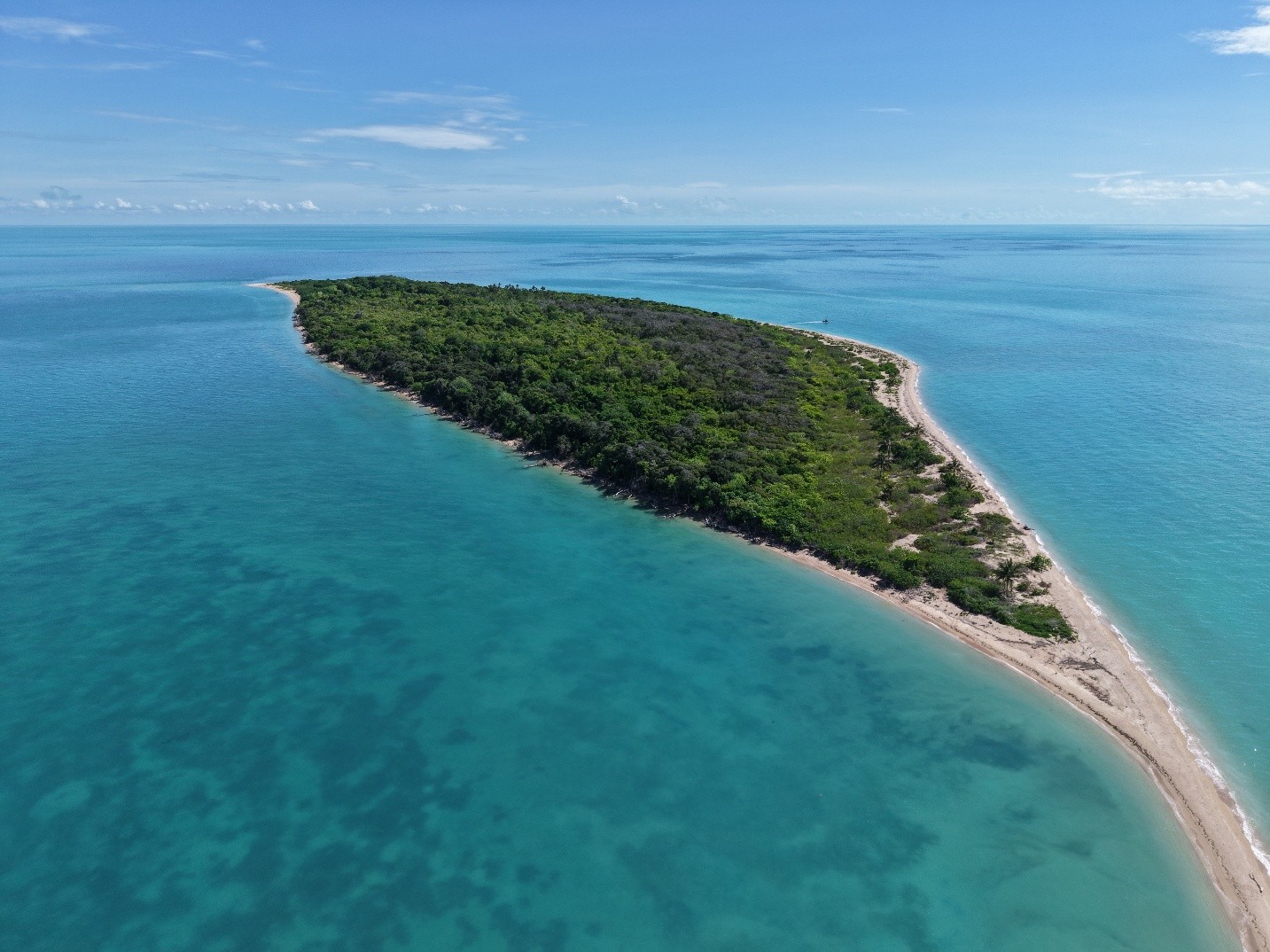
The uninhabited sandy cay island, 34 kilometres south of Papua New Guinea and 200 kilometres north of Waibene (Thursday Island), is a sacred place to Traditional Owners and a strategic location for migratory birds.
Since the early 80s, the island has been overrun by rats, despite many attempts to control the pest.
Now, Traditional Owners with the support of the Federal Government have the means to deliver a community-led rat eradication program using drones.
Maluigal Registered Native Title Body Corporate (RNTBC) representing Traditional Owners from Boigu, Dauan, Saibai, Mabuiag and Badu will lead the program with support from the Torres Strait Regional Authority and local rangers.
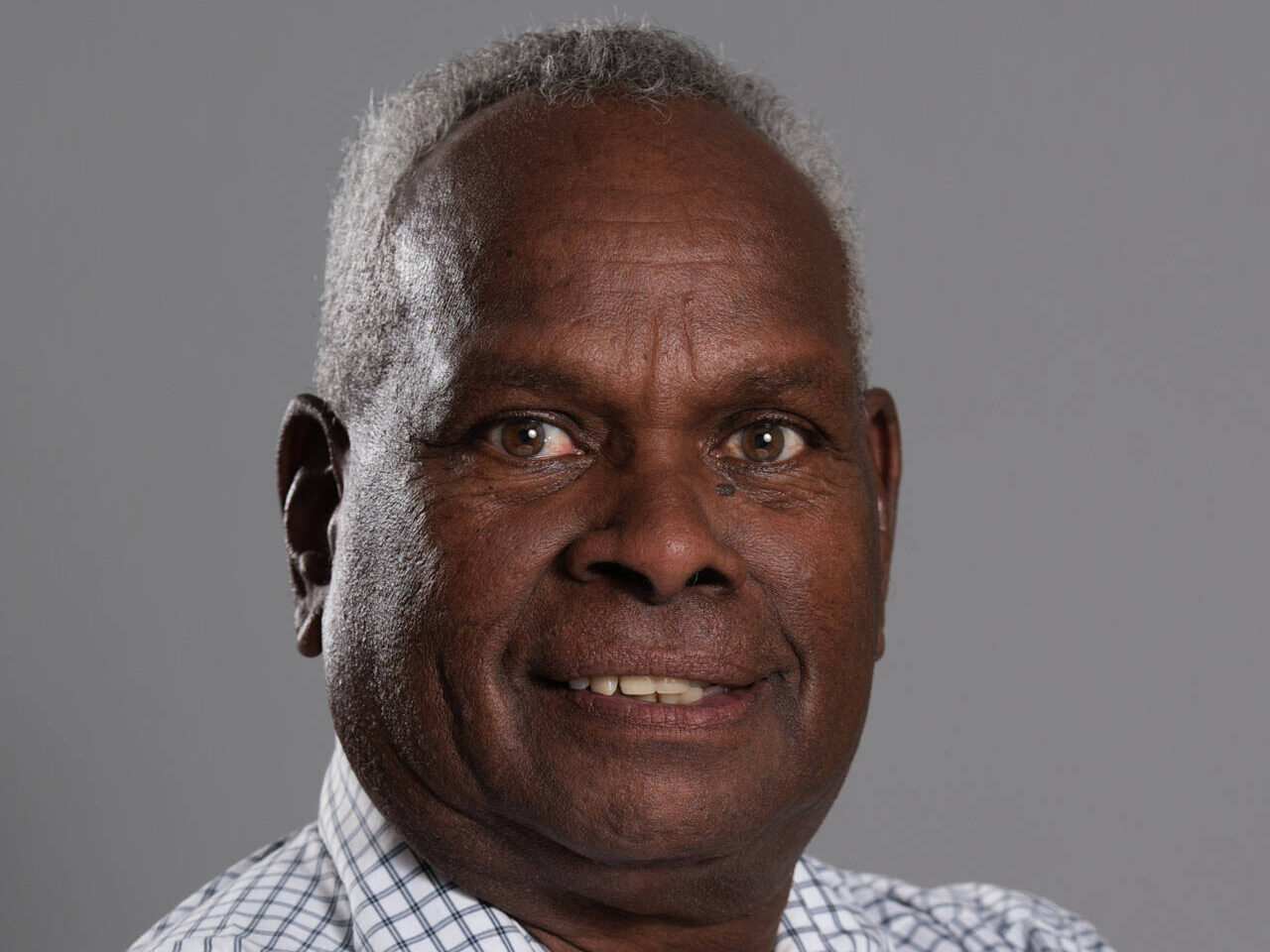
Maluigal chair, Keith Pabai (image above) says the project will protect the island’s biodiversity and cultural importance.
“We say that Warul Kawa is where the sun sets on the Torres Strait.”
“Black rats or what we call makas eat and destroy local plants and animals that are important to our culture.
This project values our spiritual protocols and cultural authority – Kuiku Mabaigal – alongside science and technical expertise for the best solution,” he said.
The project team will use drones to drop targeted aerial baits across the 43 hectare island – equivalent to 56 rugby league fields – to rid Warul Kawa’s makas problem.
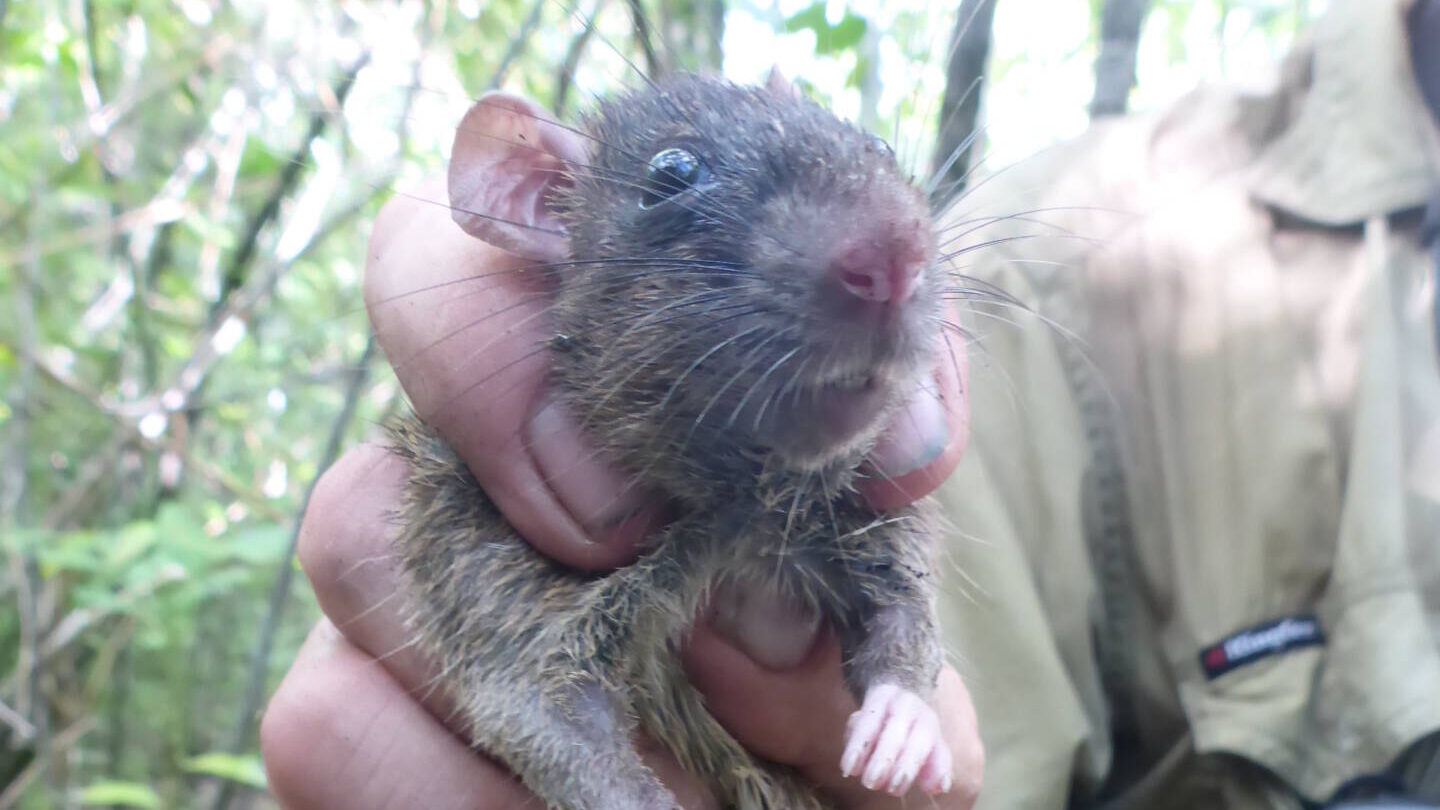
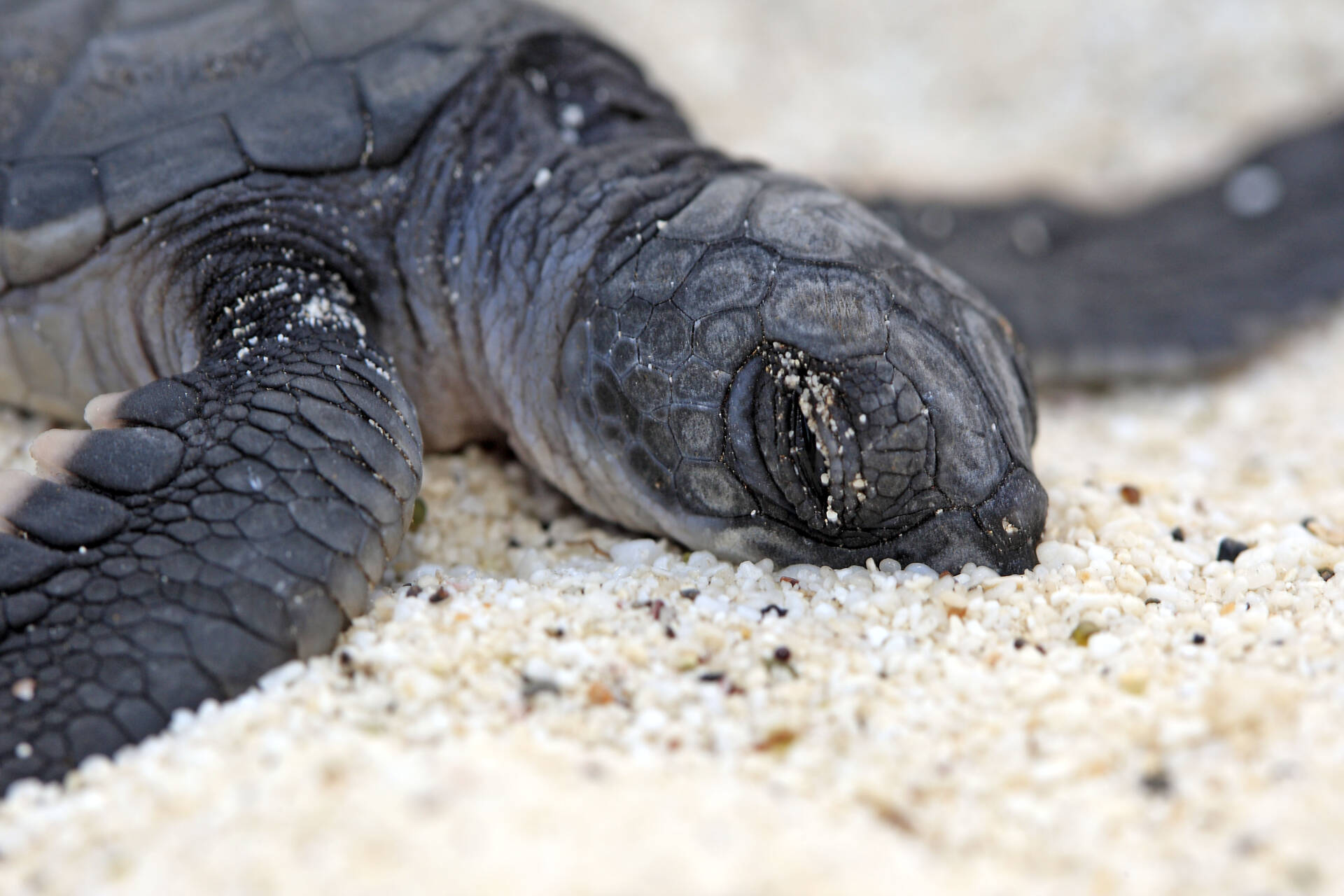
A prolific breeder, due to the island’s plentiful food and shelter, the black rat (pictured above) preys on Waru Kazi (turtle hatchlings), Sara (terns) and Dua (noddies), eating both eggs and chicks.
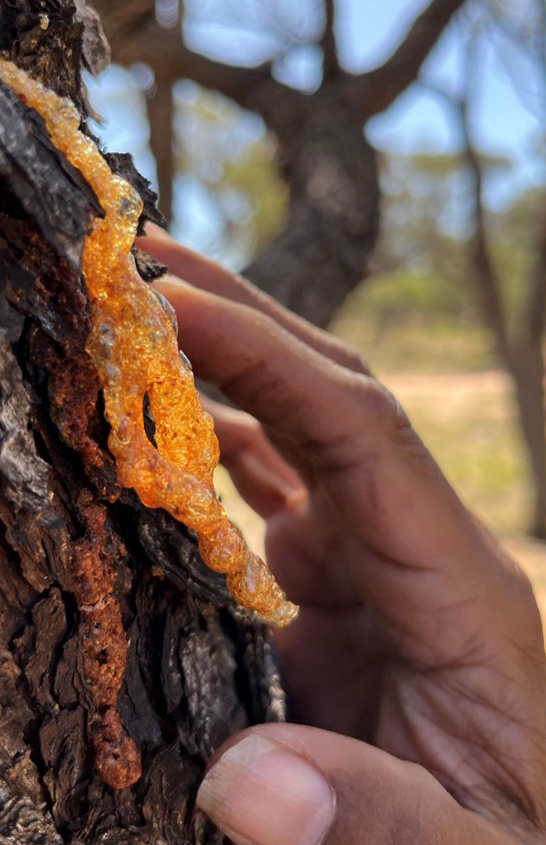
They also threaten culturally important plants like the Ubar (Wongai) and Piner (Pisonia grandis) fruit and seeds.
TSRA Chairperson George Nona said the project demonstrated the strength of local-led environmental management in the Torres Strait.
“The Warul Kawa rat eradication project is an example of how government can listen to and work with Traditional Owners and First Nations communities.”